


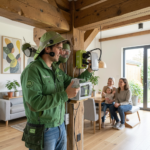

Wood is one of the most durable, sustainable, and attractive building materials used in homes, furniture, commercial buildings, and outdoor structures. From timber-frame houses and log cabins to roof beams and wooden decks, quality timber can last for generations when properly cared for. However, many homeowners mistakenly believe that wood preservation and pest treatment are the same thing. While both are essential for maintaining wooden structures, they serve different purposes.
Wood preservation focuses on protecting timber from future damage caused by moisture, weather, fungi, and insects. Pest treatment, on the other hand, is designed to eliminate or control an existing infestation. Understanding the difference between these two approaches helps property owners choose the right solution and avoid unnecessary repairs.
In this guide, we’ll explain how wood preservation and pest treatment differ, when each is needed, and why combining both strategies often provides the best long-term protection.
What Is Wood Preservation?
Wood preservation is the process of protecting timber from environmental and biological damage before serious deterioration occurs.
The goal is to extend the lifespan of wood by reducing its exposure to harmful conditions.
Common preservation methods include:
- Pressure-treated timber
- Protective wood preservatives
- Exterior stains
- Wood oils
- Sealants
- Paint systems
- Moisture control
- Good ventilation
Wood preservation is primarily a preventive measure.
Benefits of Wood Preservation
Proper preservation helps:
- Extend the lifespan of timber
- Reduce moisture absorption
- Slow weather-related deterioration
- Lower maintenance costs
- Improve resistance to fungal decay
- Reduce conditions that may encourage certain wood-boring insects
Routine maintenance is a key part of any preservation strategy.
What Is Pest Treatment?
Pest treatment is the process of addressing an existing pest infestation.
In timber structures, this may involve dealing with:
- Woodworm (wood-boring beetles)
- Powderpost beetles
- House Longhorn Beetles
- Deathwatch Beetles
- Termites (in some regions)
- Carpenter ants
The objective is to stop the infestation, protect the timber, and prevent further damage.
Signs That Pest Treatment May Be Needed
Common warning signs include:
- Small round exit holes
- Fine powdery wood dust (frass)
- Weak or crumbly timber
- Adult beetles appearing indoors
- Visible insect activity
Not all holes indicate an active infestation, so professional assessment is recommended before treatment.
How Wood Preservation Works
Wood preservation focuses on preventing problems before they begin.
Typical practices include:
Moisture Control
Keeping timber dry helps reduce conditions that favor fungal decay and many wood-boring insects.
Examples include:
- Repairing roof leaks
- Maintaining gutters
- Improving drainage
- Preventing standing water
- Monitoring indoor humidity
Protective Finishes
Exterior timber may be protected with:
- Wood stains
- Sealants
- Oils
- Paint systems
These products help reduce moisture penetration and weather damage.
Routine Inspections
Regular inspections allow homeowners to identify:
- Cracks
- Water stains
- Soft timber
- Peeling finishes
- Early signs of insect activity
Small problems can often be corrected before extensive damage develops.
How Pest Treatment Works
Pest treatment begins after an active infestation has been identified.
Treatment depends on:
- Pest species
- Severity of infestation
- Condition of the timber
- Accessibility
Professional options may include approved chemical products or modern heat-based technologies.
Microwave Woodworm Treatment
One increasingly popular chemical-free pest treatment is microwave woodworm treatment.
Professional microwave equipment uses dielectric heating to generate controlled heat inside timber.
The treatment is designed to eliminate:
- Woodworm larvae
- Beetle eggs
- Pupae
- Adult wood-boring beetles
Benefits
- Chemical-free
- No pesticide residues
- Localized treatment
- Environmentally responsible
- Helps preserve original structural timber
- Suitable for many heritage buildings and solid timber structures
A qualified timber preservation specialist can determine whether this treatment is suitable for a specific infestation.
Wood Preservation vs. Pest Treatment
| Wood Preservation | Pest Treatment |
|---|---|
| Prevents future damage | Addresses an existing infestation |
| Focuses on long-term protection | Focuses on eliminating pests |
| Includes moisture control and protective finishes | Includes professional pest control methods |
| Part of routine maintenance | Usually required only when pests are confirmed |
| Helps extend timber lifespan | Helps stop further insect damage |
Although they have different purposes, the two approaches work best together.
Why Both Are Important
A homeowner may successfully eliminate a woodworm infestation, but if moisture problems remain unresolved, the timber may still deteriorate over time.
Similarly, applying protective coatings without addressing an active infestation will not eliminate insects already inside the wood.
The most effective long-term strategy combines:
- Moisture management
- Routine inspections
- Protective treatments
- Prompt pest control when necessary
Integrated Pest Management (IPM)
Many professionals recommend Integrated Pest Management (IPM) for timber buildings.
IPM combines:
- Regular inspections
- Moisture control
- Accurate pest identification
- Building maintenance
- Physical exclusion
- Targeted treatment only when necessary
This approach reduces the need for repeated pesticide applications while protecting timber over the long term.
Common Mistakes to Avoid
Avoid these common misconceptions:
- Assuming every hole means active woodworm.
- Ignoring roof leaks after pest treatment.
- Believing treated timber never requires maintenance.
- Delaying professional inspections.
- Using preservation products instead of addressing an active infestation.
Understanding the difference between prevention and treatment helps homeowners make better maintenance decisions.
Common Myths About Timber Protection
Myth 1: Wood Preservation Kills Existing Insects
Fact: Most preservation methods are designed to protect wood from future deterioration. They are not necessarily intended to eliminate an active infestation.
Myth 2: Pest Treatment Permanently Protects Timber
Fact: Eliminating an infestation does not remove the need for ongoing maintenance. Moisture control, inspections, and protective finishes remain essential.
Myth 3: New Timber Doesn’t Need Preservation
Fact: Even newly installed timber benefits from suitable preservation measures and regular inspections to maximize its lifespan.
When Should You Contact a Professional?
Professional advice is recommended if you notice:
- Fresh frass.
- New exit holes.
- Soft structural timber.
- Persistent dampness.
- Signs of fungal decay.
- Visible insect activity.
- Moisture problems that continue after repairs.
A qualified timber preservation specialist can inspect your property, determine whether preservation, pest treatment, or both are required, and recommend the most appropriate solution.
Conclusion
Although wood preservation and pest treatment are closely related, they serve different purposes. Wood preservation focuses on preventing damage by protecting timber from moisture, weather, fungi, and conditions that encourage insect activity. Pest treatment, on the other hand, is designed to eliminate an active infestation and prevent further structural damage.Visit online https://www.shashel.eu for more details.
The most effective approach combines both strategies. Regular inspections, moisture control, protective finishes, and timely professional treatment when pests are discovered all work together to extend the lifespan of timber. If woodworm is confirmed, professional solutions—including approved chemical products or modern chemical-free technologies such as microwave woodworm treatment—can help preserve valuable structural wood while minimizing disruption. With a proactive maintenance plan, homeowners can enjoy strong, attractive, and long-lasting timber for many years.